


- Program Overview
- Theme & Speakers
- Lecture Schedule
- Before Applying
- Previous Courses
- Snapshots
- Alumni Spotlight
- Apply
Summer Program Overview
The RIKEN Center for Brain Science (RIKEN CBS), located just outside Tokyo, Japan, offers a summer program to train advanced students with broad interests in neuroscience. Applicants may apply for either or both of the following options: a two-month laboratory internship (Plan A) in a RIKEN CBS laboratory and an intensive five-day lecture course (Plan B). Students participating in the internship may also enroll in the lecture course.
The five-day lecture course features distinguished international faculty. In addition, poster sessions by program participants provide valuable opportunities for students to deepen their insights and expand their expertise in neuroscience. Through both the internship and the lecture course, students have the opportunity to interact not only with invited speakers but also with CBS researchers, and to build new, lasting networks with peers from around the world. We encourage students to take full advantage of the opportunities offered by this program to broaden their research horizons.
Participants come from a wide range of academic backgrounds and are usually enrolled in graduate programs or have recently begun postdoctoral research. However, applicants in other positions are also encouraged to apply.
All lectures, discussions, and poster sessions are in English.
Applications Open: Mid-November 2026
Dates
Plan A: Internship Course (two months)
June 8 (Tue) – August 5 (Thu), 2027
- Orientation: June 8 (Tue)
- Final presentation and closing ceremony: August 5 (Thu)
Plan B: Lecture Course (five days)
July 5 (Mon) – July 9 (Fri), 2027
Venue
Lecture Course & Poster Session
Administrative Headquarters (C00), 2nd Floor (map)
RIKEN Wako Campus, 2-1 Hirosawa, Wako, Saitama, Japan (Google Map)
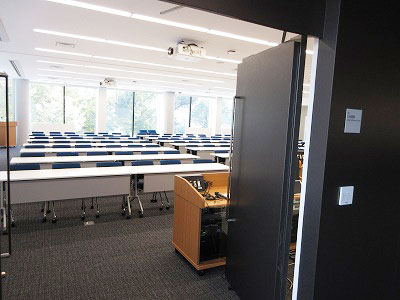
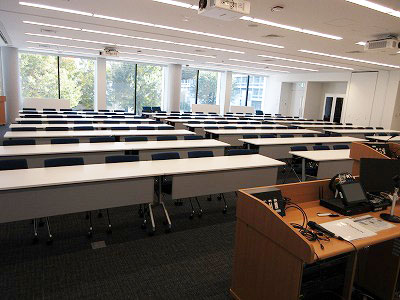
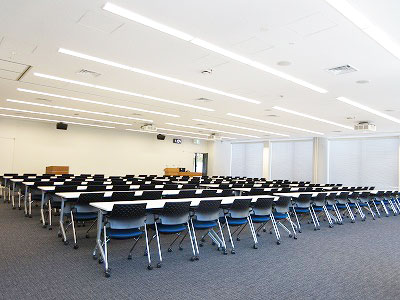
Course Summary
Plan A: Internship Course
Summer interns will work in a CBS laboratory for two months and participate in the research activities of the host lab. Interns may also attend the five-day lecture course, as long as their laboratory schedule permits, and will have opportunities to interact with lecture-course participants and invited speakers.
Interns are required to present a poster during the lecture course alongside the lecture-course students and give a research presentation on their work at the end of the two-month internship.
Please refer to the following list of potential host laboratories.
2027 Host Laboratories
TBA
Plan B: Lecture Course
The lecture course covers topics ranging from basic concepts to cutting-edge research, providing a foundation for understanding the program theme developed by the organizing committee. The five-day course includes poster sessions, lab visits, and opportunities to interact with CBS postdocs and fellow participants from around the world.
Eligibility: Who can apply for this program?
- Applicants must be beyond high school level. High school students are not eligible.
- The internship and lecture courses require full on-site participation. Applicants must be able to travel to the venue and attend the entire program on-site (no shortened participation period).
- Applicants must be enrolled in an academic institution or a company at the time of application and remain enrolled throughout the program period.
- Applicants who are on a gap year or not yet enrolled at the time of application must provide a certificate of enrollment from the institution or company they will be enrolled in during the Summer Program.
- Applicants who are not Japanese nationals must have a valid passport. If a visa is required to enter Japan, obtaining the visa is the participant’s responsibility.
- Please check whether you need a visa here.
If your nationality is marked with a note, please check the VISA flowchart to confirm whether you need a visa.
Please see more details at “Before Applying”.
Financial Support
If you apply for financial support and your application is approved, RIKEN will provide financial assistance. Participants receiving financial support must follow RIKEN’s travel itinerary in accordance with RIKEN regulations.
Expenses covered (if approved):
- Accommodation
- Round-trip airfare, or bullet train (Shinkansen) fare for participants traveling within Japan
Airfare and domestic transportation must be purchased by the participant. Reimbursement will be made after the required documents are submitted upon return to your home country.
Please see more details at “Before Applying”.
Accommodations
All participants, except those who live within commuting distance, will be assigned designated accommodations.
NOTE: Only participants who request and receive approval for financial support will be exempt from accommodation expenses.
Plan A: Internship Course
Plan B: Lecture Course
- Hotel Toyoko Inn in front of Wako-Shi Station
Please see more details at “Before Applying”.
This program is sponsored by The International Brain Research Organization (IBRO).
